
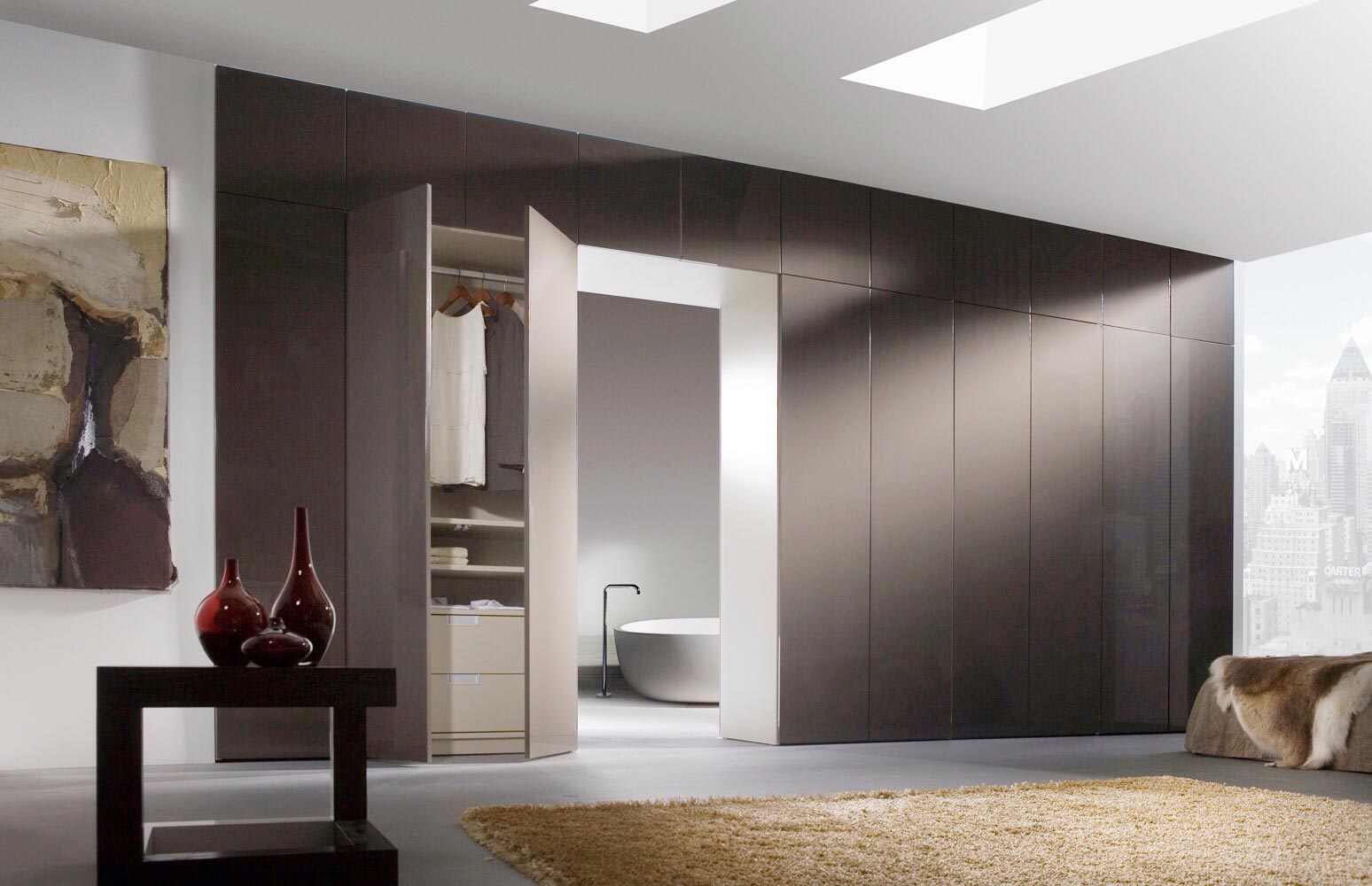
Interior design is evolving towards spaces that feel calmer, more structured, and visually uninterrupted. Across the KBB sector, there is a clear shift away from exposed storage and towards concealed, integrated solutions that allow interiors to function efficiently without appearing cluttered.
For contractors, interior designers, and developers, this change is influencing how bedrooms and multi-use spaces are specified. Storage is no longer simply about capacity, it is about how seamlessly it can be incorporated into the architecture of the room.
The Shift Towards Concealed, Integrated Storage
Recent industry insights highlight a growing demand for interiors defined by clean lines, hidden functionality, and minimal visual disruption. Storage is increasingly designed to sit flush within the space, rather than stand out as a separate feature.
This approach allows trade professionals to deliver:
- More cohesive room layouts
- Reduced visual clutter
- Interiors that feel larger, calmer, and more considered
Wardrobes, in particular, are now being specified as built-in architectural elements, rather than standalone furniture, helping to create a consistent flow across the entire room.
From Kitchens to Bedrooms: The Rise of Invisible Interiors
One of the most influential design movements in recent years is the concept of “invisible interiors.” Originally driven by kitchen design, where appliances and storage are concealed behind uninterrupted cabinetry, this approach is now extending into bedrooms and living spaces.
For trade professionals, this translates into:
- Wardrobes that blend into wall finishes
- Sliding systems that conceal full storage walls
- Integrated solutions that hide workspaces, shelving, or storage zones
The goal is to create spaces that feel effortless and uncluttered, while still delivering the functionality clients expect.
Designing Spaces That Do More
Modern residential interiors are increasingly required to serve multiple purposes. Bedrooms are no longer single-use spaces, they often incorporate:
- Workspace areas
- Dressing zones
- General storage
As a result, design is shifting towards multi-functional layouts, where different uses are layered into a single room.
Concealed storage plays a key role in this approach. By integrating wardrobes and storage systems that can hide or reveal different functions, designers and contractors can create spaces that adapt throughout the day while maintaining a consistent visual finish.
Built-In Storage as a Standard Requirement
The demand for integrated storage is no longer optional. Industry data shows that a significant majority of residential projects now include built-in features, with storage ranking as one of the highest priorities in interior design.
For trade professionals, this reinforces the importance of:
- Specifying fitted systems early in the design process
- Ensuring storage integrates with overall layouts
- Working with manufacturers who can deliver made-to-measure solutions
Material-Led Design & Subtle Detailing
While storage is becoming more concealed, material choice remains critical. The move away from stark minimalism has introduced a more refined approach, where texture, tone, and material variation play a key role.
Designers are increasingly combining:
- Woodgrain finishes for warmth
- Glass panels for light and contrast
- Subtle neutral tones to maintain cohesion
This layered approach allows wardrobes to remain visually understated, while still contributing to the overall design scheme.
Sliding & Hinged Systems for Concealed Design
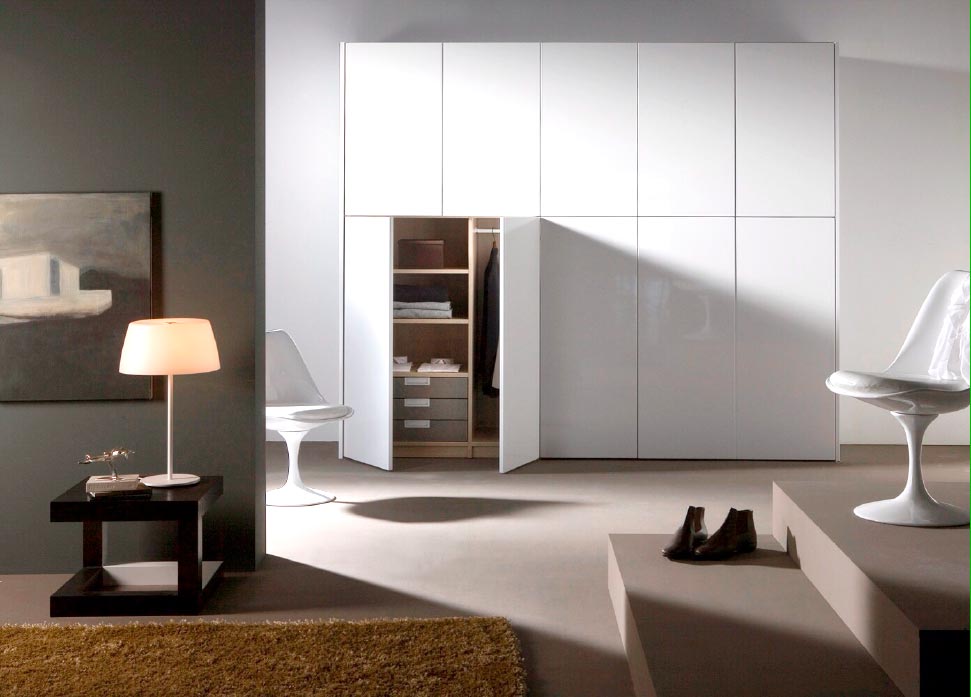
Both sliding and hinged wardrobe systems can support concealed storage concepts, depending on the layout and requirements of the space.
Sliding Wardrobe Door Systems
Sliding doors provide a streamlined solution for creating full wall storage without interrupting the room layout. Systems such as Chic, Dual and Curve offer durability alongside refined, slimline aesthetics, making them ideal for concealed storage applications.
Hinged Wardrobe Door Systems
Hinged wardrobes offer full access to internal layouts and are often used where storage needs to be completely hidden when not in use. Ranges such as Delano and Stratford allow designers to create furniture-style installations that integrate seamlessly into the room.
Both systems are manufactured to measure, ensuring they can be adapted to alcoves, full-height installations, or complex layouts.
Specification Tips for Trade Professionals
When designing concealed storage and invisible interiors, careful specification is key. The following considerations can help ensure both performance and design intent are achieved:
1. Plan Storage Early
Integrate wardrobe systems into the initial layout rather than treating them as a later addition. This ensures alignment with walls, ceilings, and overall room proportions.
2. Select the Right Door System
- Use sliding systems where space is limited or where a continuous wall finish is required
- Use hinged systems where full access or a furniture-led aesthetic is preferred
3. Consider Material Consistency
Choose finishes that align with wall colours, flooring, or joinery to create a seamless look. Woodgrains and neutral tones work particularly well for concealed applications.
4. Design for Multi-Functionality
Allow for integrated features such as desks, shelving, or dual-use storage within the wardrobe layout, particularly in smaller or multi-use rooms.
5. Work with a Reliable Manufacturing Partner
Precision and lead times are critical. Made-to-measure production ensures accurate installation, while consistent delivery supports project timelines.
A New Standard in Bedroom Design

Concealed storage and invisible interiors are no longer niche design concepts—they are becoming a standard expectation across modern residential projects. By integrating wardrobes and storage into the architectural fabric of a space, trade professionals can deliver interiors that feel both functional and refined.
Interior Door Systems supports this approach with a wide range of made-to-measure sliding and hinged wardrobe solutions, designed to help contractors and designers create cohesive, adaptable spaces with confidence.
Start Your Next Project with IDS
Download the latest IDS brochure to explore our full range of wardrobe systems, finishes, and interior solutions, or speak with our team to discuss specification support for your next project.